


Essential Tips for Maintaining Solar Panels to Maximize Energy Efficiency

Solar panels are a smart investment for reducing energy costs and supporting a cleaner environment. Yet, their performance depends heavily on regular upkeep. Without proper maintenance, solar panels can lose efficiency, leading to lower energy production and potential costly repairs. This post explains practical steps to keep your solar panels working at their best, helping you protect your investment and enjoy maximum energy savings.
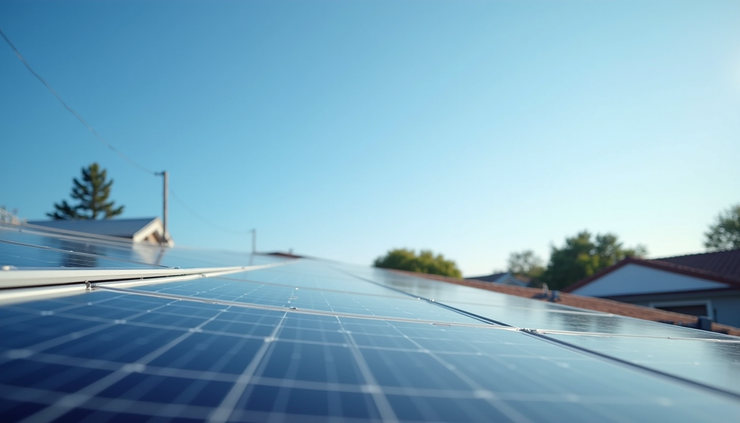
Keep Solar Panels Clean for Better Energy Production
Dust, dirt, bird droppings, and leaves can accumulate on solar panels, blocking sunlight and reducing their ability to generate electricity. Cleaning your panels regularly is one of the simplest ways to maintain their efficiency.
Use soft water and a non-abrasive sponge or cloth to wipe the panels gently.
Avoid harsh chemicals or abrasive materials that could scratch the glass surface.
Clean panels early in the morning or late in the afternoon when they are cool to avoid thermal shock.
If your panels are hard to reach, consider hiring a professional cleaning service to ensure safety and thoroughness.
In dry or dusty climates, cleaning may be needed more often, sometimes monthly. In areas with frequent rain, natural washing might reduce the cleaning frequency.
Monitor Your Solar System’s Performance
Keeping an eye on how much energy your solar panels produce helps detect problems early. Many solar systems come with monitoring apps or displays that show real-time output.
Check daily or weekly energy production and compare it to expected levels based on weather conditions.
Sudden drops in output could indicate shading, dirt buildup, or equipment issues.
Some systems send alerts if performance falls below a certain threshold, making it easier to respond quickly.
Regular monitoring helps you spot issues before they become serious, ensuring your panels deliver consistent power.
Inspect Panels and Equipment Periodically
Visual inspections can reveal damage or wear that affects performance. Look for:
Cracks or chips in the glass panels
Loose or corroded wiring connections
Signs of water damage or corrosion on mounting hardware
Shading from new tree growth or nearby structures
Check your inverter as well, since it converts solar energy into usable electricity. A malfunctioning inverter can reduce system output significantly.
If you notice anything unusual, contact a qualified solar technician to assess and repair the problem.
Schedule Professional Inspections and Maintenance
While homeowners can handle basic cleaning and visual checks, professional inspections provide a deeper assessment. Experts use specialized tools to test electrical components, measure output accurately, and identify hidden faults.
Annual or biannual inspections help extend the lifespan of your solar system.
Professionals can tighten connections, replace worn parts, and update software if needed.
Early detection of issues prevents costly repairs and downtime.
Many solar companies offer maintenance packages that include routine inspections and cleaning, which can be a worthwhile investment for long-term savings.
Protect Panels from Physical Damage
Solar panels are designed to withstand weather, but extreme conditions can cause damage.
Trim nearby trees to prevent branches from scratching or shading panels.
Secure panels properly to withstand strong winds or heavy snow loads.
Avoid walking on panels to prevent cracks or damage.
Taking these precautions reduces the risk of physical harm and keeps your system running smoothly.
Understand Seasonal Maintenance Needs
Solar panel maintenance varies with the seasons:
In winter, clear snow off panels promptly to maintain sunlight exposure.
During spring and fall, check for debris like leaves or pollen buildup.
Summer may require more frequent cleaning due to dust and bird droppings.
Adjusting your maintenance routine to seasonal changes helps maintain steady energy production year-round.
Keep Records of Maintenance and Performance
Documenting your cleaning, inspections, and any repairs helps track your system’s health over time.
Note dates of maintenance activities and any issues found.
Record energy production data to spot trends or declines.
Share records with your solar provider if you need warranty support.
Good records make it easier to manage your solar investment and ensure you get the most from your panels.


Comments