


Achieving Residential Energy Independence in the UK

Energy costs are rising. The UK faces challenges with energy supply and environmental concerns. I want to share how you can take control of your home's energy. Achieving residential energy independence is possible with the right approach. It means producing and managing your own energy, reducing reliance on the grid. This post will guide you through practical steps and solutions to make your home more self-sufficient.
Understanding Residential Energy Independence
Residential energy independence means your home generates enough energy to meet its needs. You rely less on external suppliers. This can save money and reduce your carbon footprint. It also protects you from price hikes and power outages.
To start, assess your current energy use. Look at your bills and identify peak usage times. This helps you plan how much energy you need to produce. Next, consider energy efficiency. The less energy you use, the easier it is to become independent.
Simple changes can make a big difference:
Switch to LED lighting
Improve insulation in walls and lofts
Use energy-efficient appliances
Install smart meters to monitor usage
These steps reduce waste and lower your demand. Once your home is efficient, you can explore renewable energy options.

How to Achieve Residential Energy Independence
There are several ways to generate your own energy. The most common are solar panels, wind turbines, and heat pumps. Each has pros and cons depending on your location and property.
Solar Panels
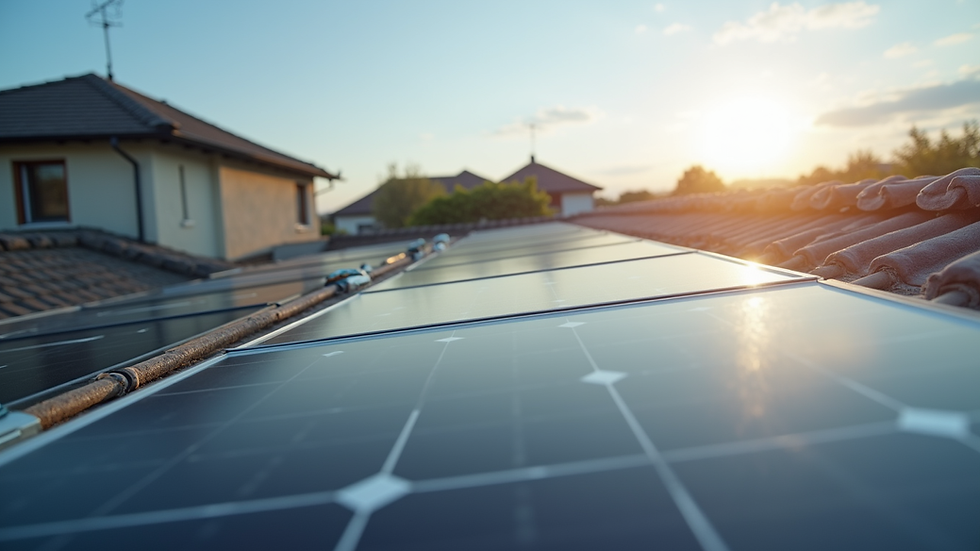
Solar panels convert sunlight into electricity. The UK gets enough sun to make solar viable for many homes. Panels are usually installed on south-facing roofs for maximum exposure. They require an upfront investment but can pay off over time.
Wind Turbines
Small wind turbines can generate power if you live in a windy area. They need space and planning permission. Turbines work best in open, rural locations.
Heat Pumps
Heat pumps use electricity to extract heat from the air or ground. They are efficient for heating and cooling your home. Heat pumps reduce reliance on gas boilers and lower emissions.
Battery Storage
To truly be independent, you need to store energy. Batteries hold excess power generated during the day for use at night. This reduces the need to buy electricity from the grid.
Energy Management Systems
Smart systems help you control when and how you use energy. They can shift usage to times when your solar or wind power is available. This maximises self-consumption and savings.
By combining these technologies, you can create a reliable, self-sufficient energy system. It takes planning and investment but offers long-term benefits.
Why is Residential Solar Not Worth It?
Solar power is popular, but it is not always the best choice for every home. Some factors can make solar less attractive:
Limited Roof Space: Small or shaded roofs reduce panel efficiency.
High Initial Costs: Installation can be expensive without subsidies.
Variable Sunlight: UK weather means solar output fluctuates.
Grid Connection Fees: Some areas charge for exporting excess power.
Maintenance: Panels need occasional cleaning and checks.
If your home does not get enough sun or you cannot afford the upfront cost, solar may not be worth it. In these cases, other options like heat pumps or energy efficiency upgrades might be better.
It is important to get a professional assessment before investing. They can help you understand the potential savings and payback period.

Practical Home Energy Independence Solutions
To achieve energy independence, you need a clear plan. Here are some practical steps:
Conduct an Energy Audit
Identify where you use the most energy and where you can save.
Improve Home Insulation
Seal gaps, add loft insulation, and upgrade windows.
Install Renewable Energy Systems
Choose solar, wind, or heat pumps based on your property.
Add Battery Storage
Store excess energy for use when generation is low.
Use Smart Energy Management
Automate energy use to match production.
Monitor and Adjust
Track your energy use and system performance regularly.
For those interested, there are many home energy independence solutions available that combine these technologies. These solutions can be tailored to your needs and budget.
Government grants and incentives may also help reduce costs. Check local schemes for renewable energy support.
The Benefits of Energy Independence
Becoming energy independent offers many advantages:
Lower Energy Bills: Generate your own power and reduce purchases.
Energy Security: Less affected by outages or price spikes.
Environmental Impact: Cut carbon emissions and support sustainability.
Increased Property Value: Homes with renewable systems are more attractive.
Peace of Mind: Control over your energy future.
Energy independence is a smart investment. It protects you from uncertainty and helps the planet.
Taking the First Step Today
Starting your journey to residential energy independence is easier than you think. Begin with small changes like improving insulation and switching to LED bulbs. Then explore renewable options that fit your home.
Consult experts to design a system that works for you. Use available resources and incentives to make it affordable.
Remember, every step counts. You can reduce your energy bills and carbon footprint while gaining control over your home’s energy.
Energy independence is within reach. Take action now and enjoy the benefits for years to come.


Comments